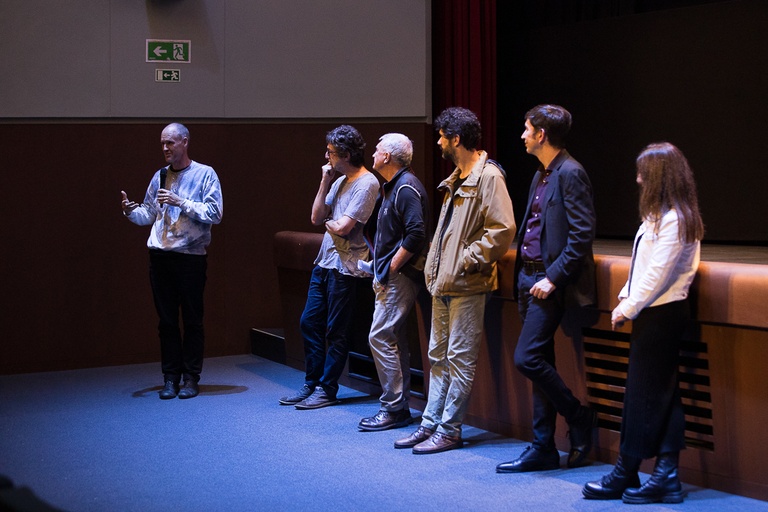
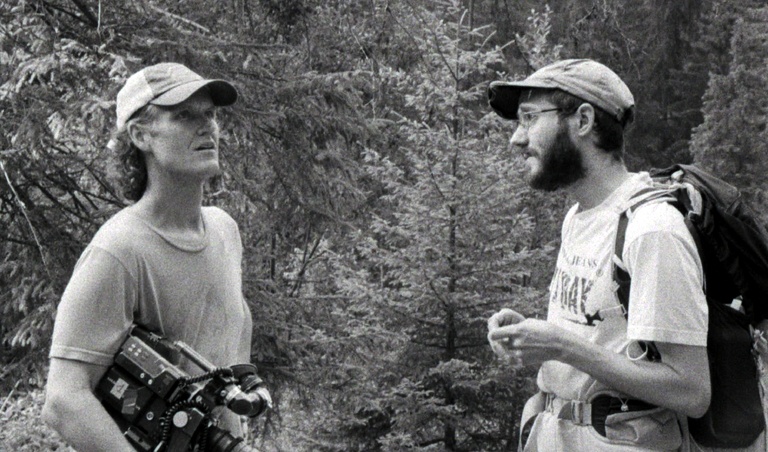
Ben Russell In Focus
← All ProgrammingRussell was an exhibiting artist at documenta 14 (2017) and his work has been presented at the Centre Georges Pompidou, the Museum of Modern Art, the Tate Modern, the Museum of Modern Art Chicago, the Venice Film Festival and the Berlinale, among others.
He is a recipient of a Guggenheim Fellowship (2008), a FIPRESCI International Critics Prize (IFFR 2010, Gijón 2017), premiered his second and third feature films at the Locarno Film Festival (2013, 2017) and won the Encounters Grand Prize at the Berlinale Film Festival (2024).
Curatorial projects include Magic Lantern (Providence, USA, 2005-2007), BEN RUSSELL (Chicago, USA, 2009-2011), Hallucinations (Athens, Greece, 2017) and Double Vision (Marseille, France 2024-). He is currently based in Marseille, France.


Ben Russell and cinema as utopia
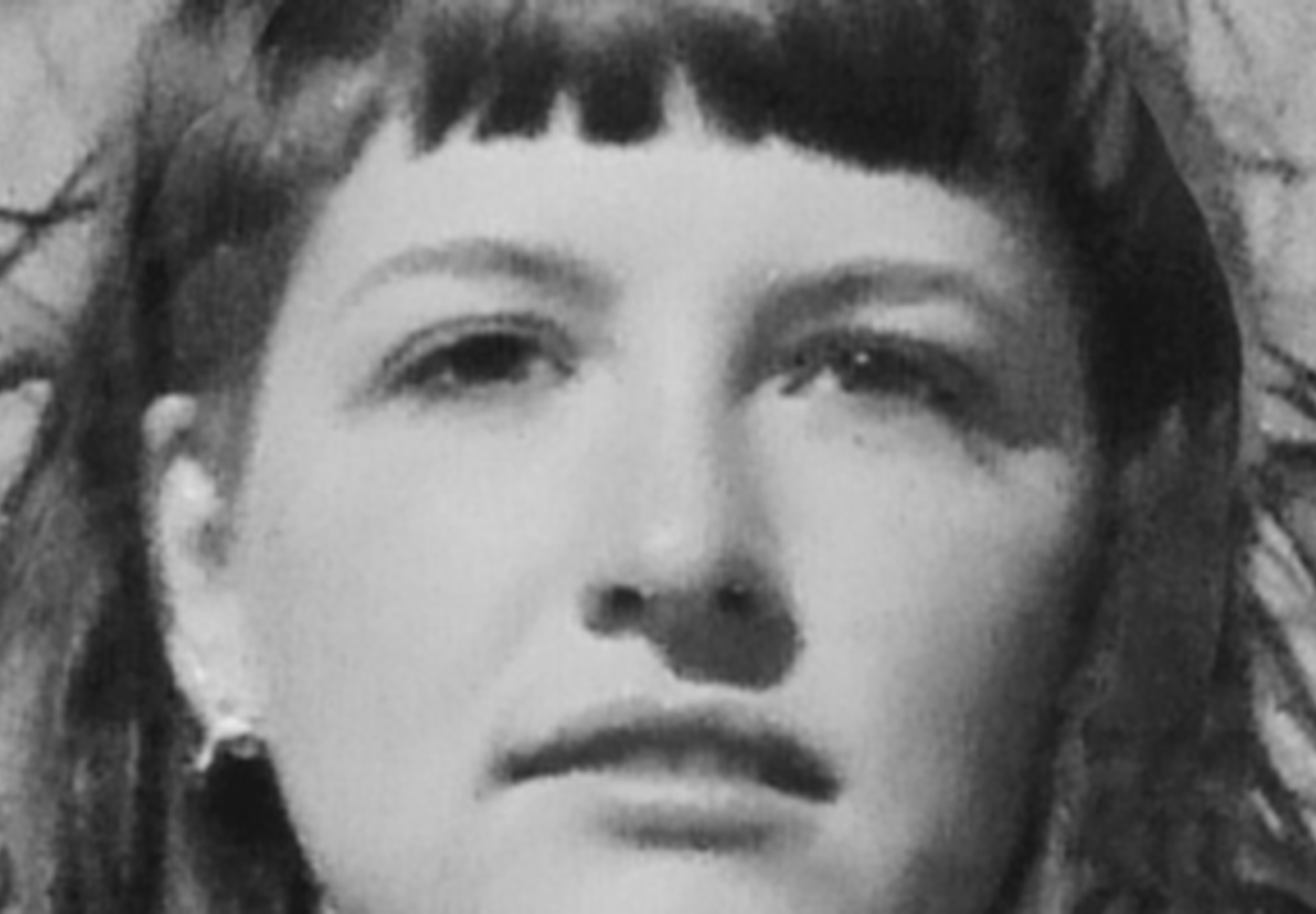
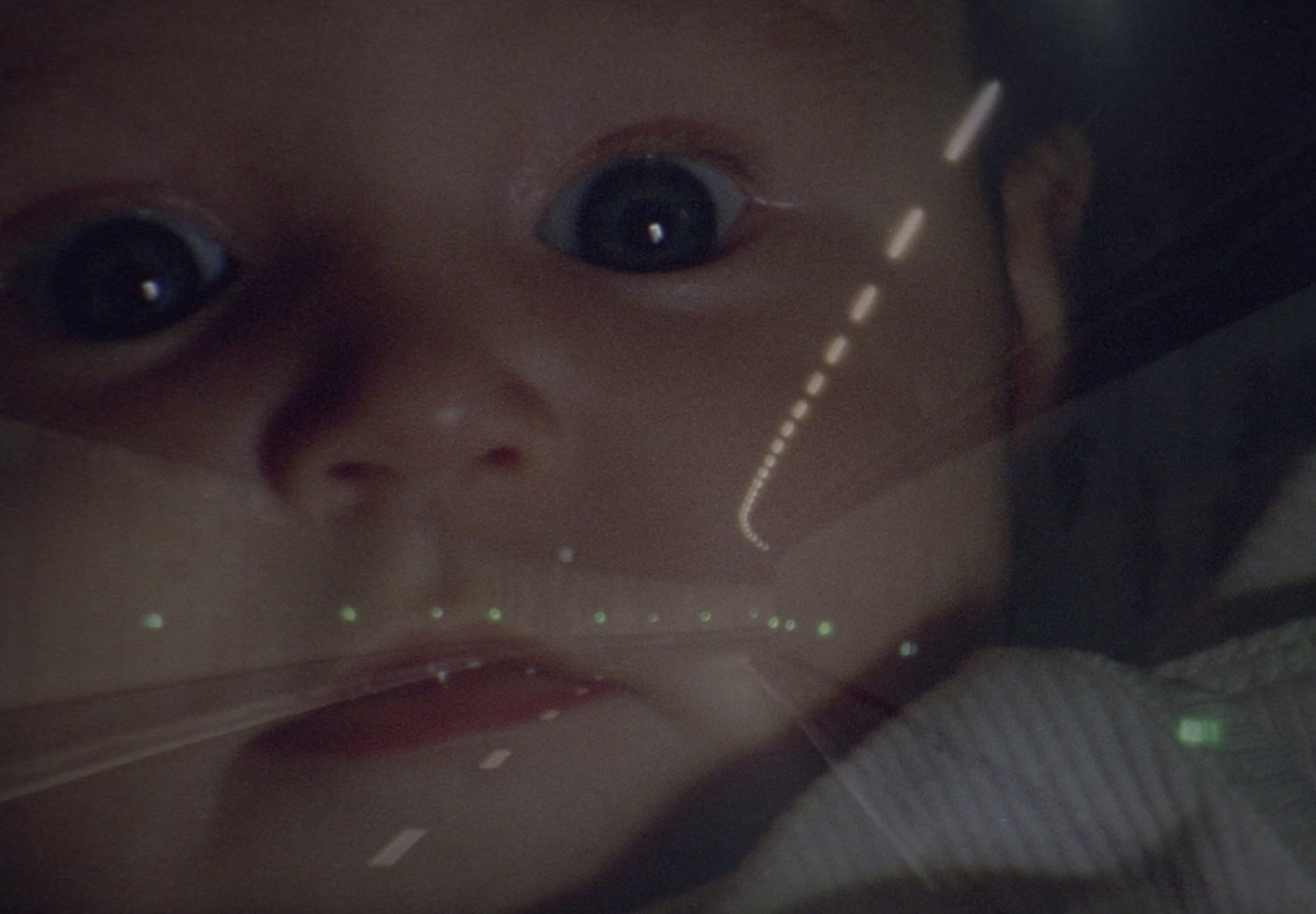
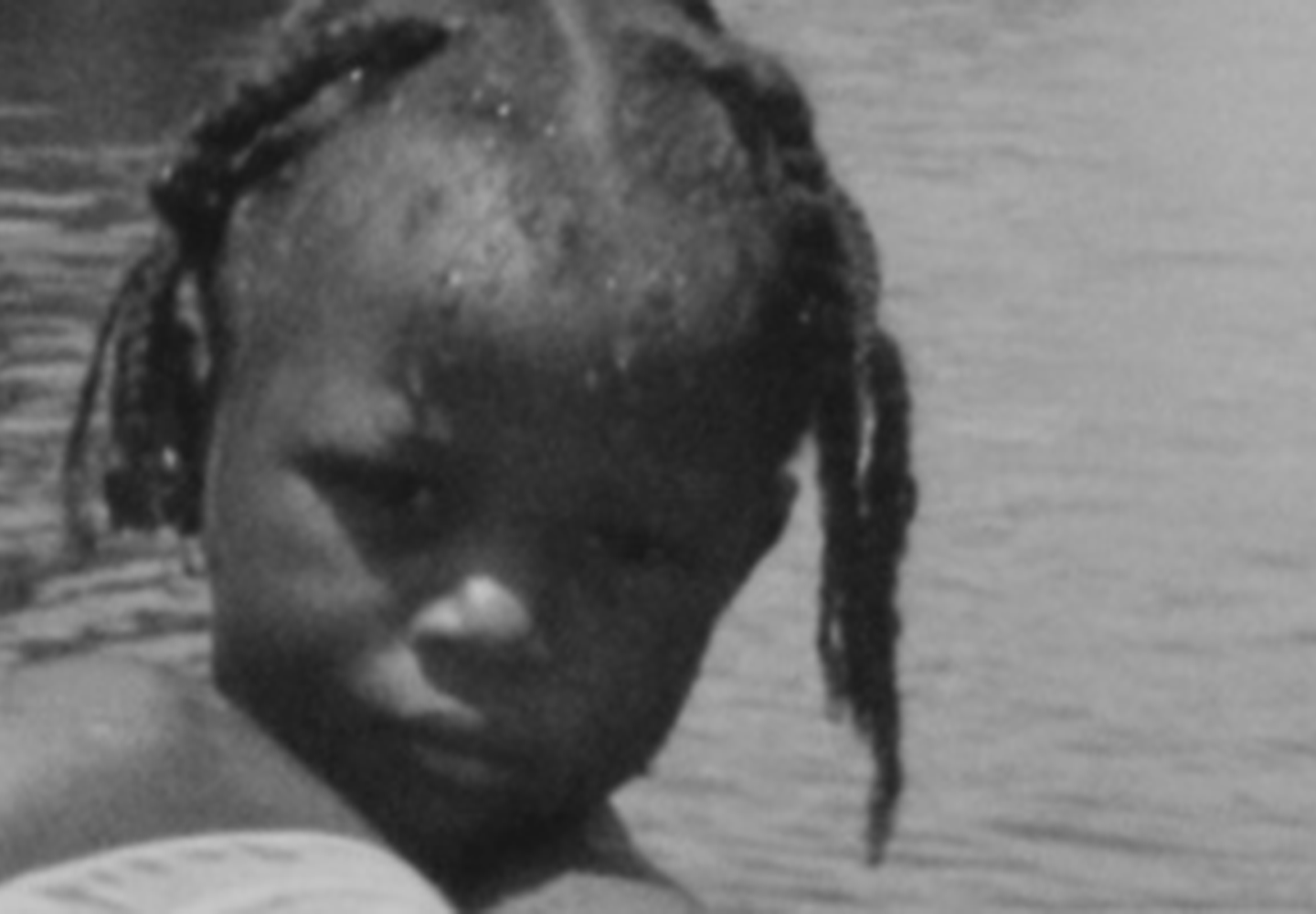
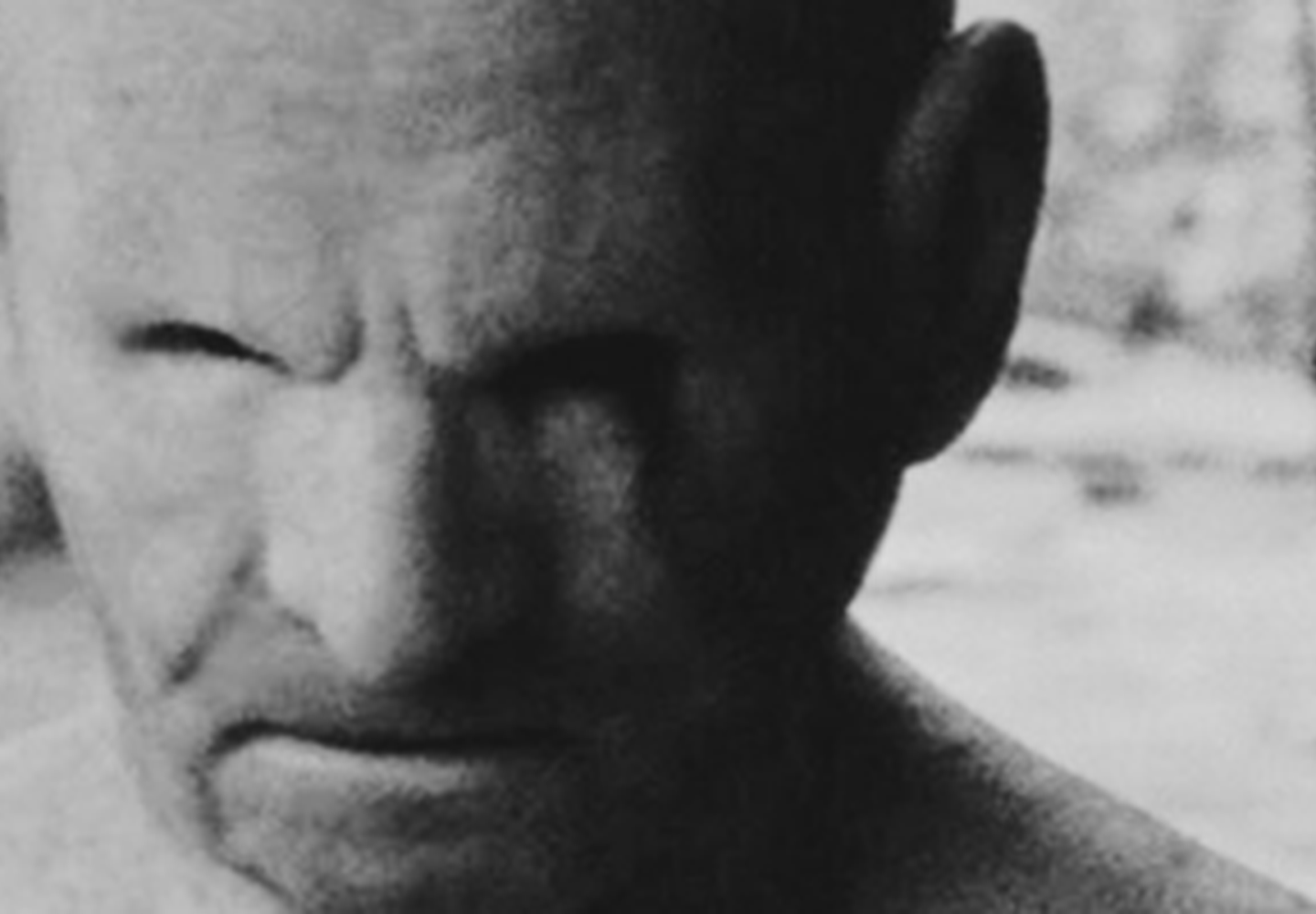
What filmmaker and artist Ben Russell proposes with his films, a selection of which we will be able to see at this edition of the Family Film Project, are critical materializations of various interpretations of the travel experience — both internal and external, physical and metaphorical, real and surreal — just as cinema can convey.
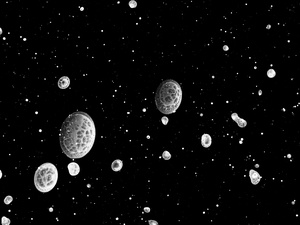
In the short films of the Trypps series, made between 2005 and 2010, we can recognize the entire program of Russell’s cinema, immediately inscribed and reflected in the title, and explored in the form of cinematic miniatures that test and expand the limits of cinematic experience and forms through the intersection of experimentalism, performance, psychedelia, ethnography, and elements of cinema history and its devices.
These films make explicit the director’s interest in exploring movement (rather than narration) as the fundamental element of cinema. They simultaneously hark back to cinema's beginnings, specifically the documentary and ethnographic lineage, which observes the 'objective' movement of the world and its inhabitants, and the experimental lineage, attentive to the formal and affective qualities of the extremes of cinema's own movement. They also connect with more contemporary trends in ethnographic and experimental film, in their sensory and structural aspects, as a way of accessing interior and subjective movement — i.e., the psyche — and, by extension, the intersubjective and intercultural experience of life.
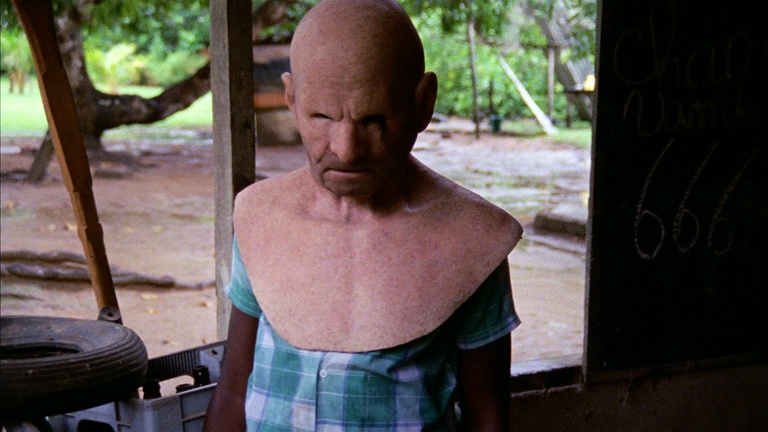
The theme of travel, therefore, emerges as a way to unite ethnography and psychedelia through the poetics of cinematic imagery. This translates into formal investigations that destabilize traditional divisions between documentary and fiction and challenge our viewing habits. Involving the real characters of the films, viewers, and the director, these works aim to trigger collaborative, immersive, and collective experiences of trance, ritual, and transcendence, to produce the equivalent of a speculative treatment of subjectivity. The free movement across the world, from Rhode Island to Suriname, passing through Dubai, the Badlands (Trypps, 2005-2010; Let Each One Go Where It May, 2009; He Who Eats Children, 2016), Malta (Atlantis, 2014), Finland, Greece (The Invisible Mountain, 2021), Marseille (Against Time, 2022), among other places, culminating in Notre Dame des Landes, in the Zone à Défendre (Direct Action, 2024, co-directed with Guillaume Cailleau), with a camera in hand, is a way of encountering other forms of life, many of which are underrepresented, and other psychic states, and through the often shared act of filming and giving them shape, to provoke—or hope to provoke—a transformation in return.
On this subject, Ben Russell, following in the footsteps of Trinh T. Minh-Ha, notes that the documentary, as a category to designate a material, genre, approach, or set of techniques to approach reality and the other, which would oppose fiction, does not exist, as we are always faced with a ‘creative treatment of reality’. This does not correspond to a refutation of the truth or factuality of the image, but rather to the fact that there is always a selection involved in the process of its production and the decision to record or capture.
Form is content; in other words, it is always about creating something that is only possible thanks to cinema and is inherently a cinematic experience—an experience that is also that of the image, not only in a reflective sense but also in a performative and phenomenological sense.
At the same time, to represent or frame does not mean to close off or turn the other into an object of knowledge. Thus, the tradition of ethnographic cinema as an objective form of knowledge of the 'self' through others must be complemented by the ambition, which Russell recognizes in psychedelic thought and practices, of a sensory and subjective understanding of ourselves and the world. "The result is a simultaneously embodied and critical dialectic, in which the terrors and pleasures of losing ourselves are balanced by the need to know where we are, who we are, and what we are, particularly in relation to those who are not us.” (Interview by Luciana Dumitru with Ben Russell, https://bieff.wordpress.com/2013/12/12/river-rites-interview-with-ben-russell/, accessed on August 22, 2024).
Ben Russell’s cinema reinterprets Jean Rouch’s cine-trance approach, focusing on intuitive and emotional understanding rather than traditional ethnographic knowledge. His "psychedelic ethnography" blends subjective experience with critical analysis, aiming for an empathetic understanding of otherness through cinema itself. Russell approaches ethnography as an artist, downplaying its disciplinary and scientific dimensions and emphasizing the experiential and ecstatic aspects of rituals.
He is interested in exploring the semiotics of spirituality and religiosity, as manifested through external signs that vary from culture to culture but reflect the same common and universal need for connection with the transcendent. However, what he seeks is to capture or stage a particular type of experience to translate it into a completely different one. It is through the transition from the ethnographic realm to the cinematic realm that Ben Russell can place the dual ritualistic nature of intercultural trance phenomena under tension, by combining, for example, the trance of Saramaccan culture with the countercultural practices in which he is immersed, as well as the act of filming. This is how, structurally, films like Black and White Trypps Number Three (2007) and Trypps #6 (Malobi) (2009) share, in Russell's own words, not only trance as a common experience but also music as a catalyst for rituals. One trance is secular, triggered by the music of a Lightning Bolt concert, while the other is initiated by the ritual and funeral ceremony of Adjo. They are similar because they show us that the authenticity of what we see is doubly linked to reality—the people, the experiences that shape the film—and its mise-en-scène, made tangible by the presence of clapboards, camera movements, and flash frames, which force us to reposition ourselves not only in relation to the world but also to the image itself.
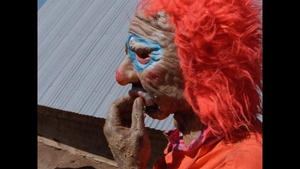
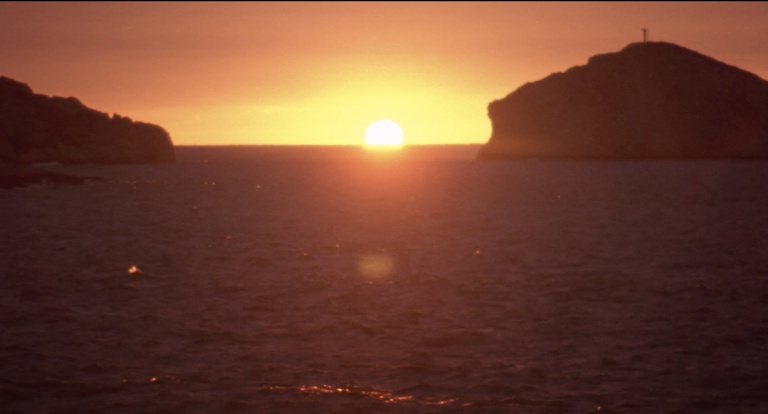
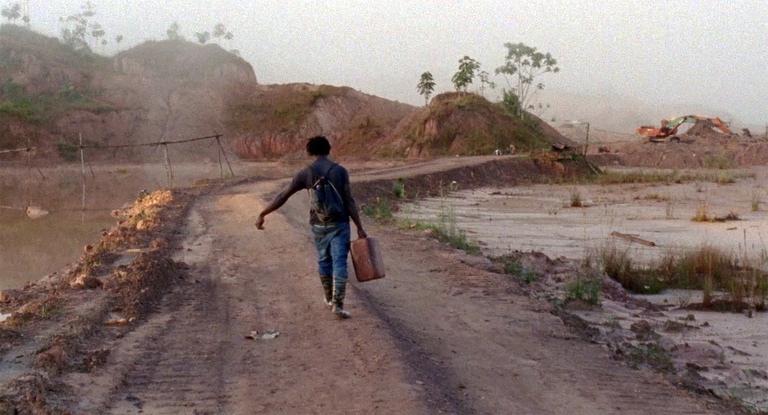
In turn, films like Let Each One Go Where He May (2009), his first feature film, and He Who Eats Children (2016), or, for example, Atlantis (2014) and The Invisible Mountain (2021), extend the exploration of the same paradox, constructing speculative and hallucinatory portraits, evoking the fictional or mythical idea of a lost civilization or the search for a utopian mountain: what unfolds before the camera is a mixture of facts and staging, of reality and representation.
What becomes relevant is not the truth or authenticity of the experience recorded by the camera, with its function of differentiating one culture from another, but the ritualistic experience of cinema itself, beyond any mediation or translation, in an exercise of subjective or reflexive ethnography.
Cinema emerges as that speculative and reflective non-place about and of subjectivities and their production, returning to us the utopia of other possible ways of life. Through rituals and various kinds of transcendent journeys, beyond the impenetrability of other people's psyches and the signs that hint at them, what stands out is the universality of a common, post-colonial human subjectivity, in the sense of similarity beyond differences, in the way it returns to us an image of ourselves as others, through cinema and how it allows us to engage in a visceral and phenomenological equivalent of the movement of forms and bodies on the screen.
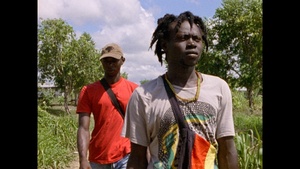
Conditioned by the determinisms of our lives, we sometimes forget that we do not live in the best of all possible worlds and that the world is also constituted by the potential of alternative modes of existence. Russell's camera investigates these alternative, individual, and collective subjectivities, resonating in the present with surrealist, psychedelic, communal, and political utopias through the utopia of cinema itself:
‘This society of humans that still quietly gathers in the dark, that briefly lives a collective life under a unified shimmering vision—and then disperses, each individual transformed, and returns to their own daily life: it is the closest to an ideal society that I can imagine. I am talking about cinema, of course, and I am increasingly convinced that cinema is the only place where utopia can be truly realized. It is a non-place, a time-space, a present that is always arriving and that needs our presence to exist.’ (Interview by Erika Balsom with Ben Russell, about Atlantis, https://www.vdrome.org/ben-russell-atlantis/, accessed on August 22, 2024)
- Susana Nascimento Duarte
Focus Ben Russell
In Focus#1 Ben Russell
16:OCT 21h15–23h30 135'
Batalha Centro de Cinema
Batalha Centro de Cinema
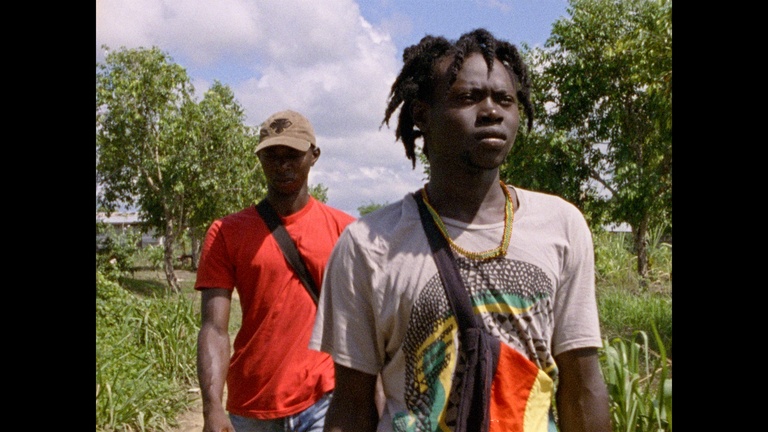
In Focus#1 Ben Russell
17:OCT 21h15–21h40 25'
Batalha Centro de Cinema
Batalha Centro de Cinema
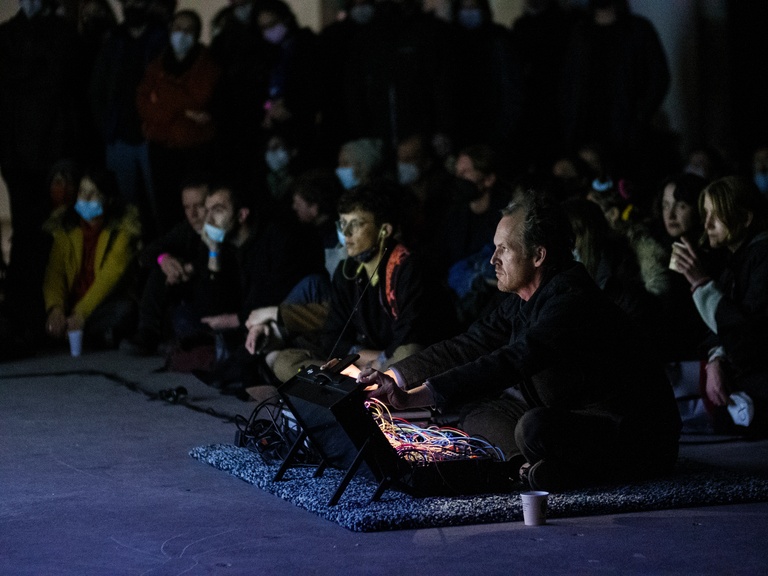
In Focus#2 Ben Russell
18:OCT 14h00–14h40 40'
Batalha Centro de Cinema
Batalha Centro de Cinema
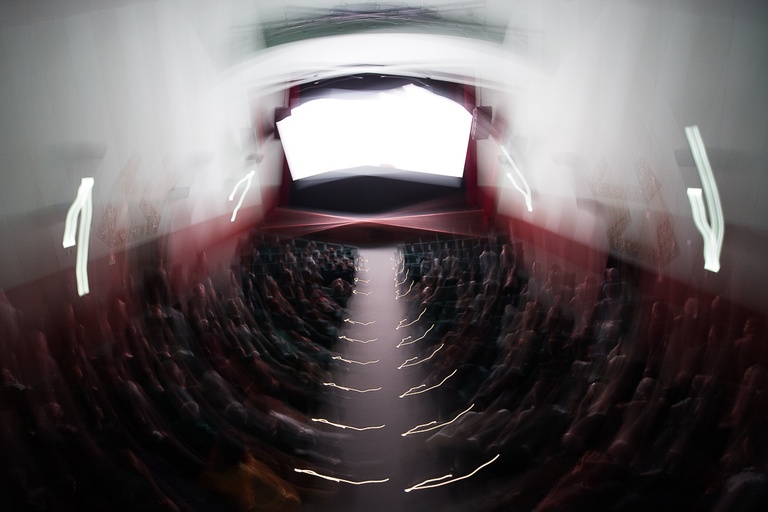
In Focus#3 Ben Russell
18:OCT 15h00–16h12 73'
Batalha Centro de Cinema
Batalha Centro de Cinema
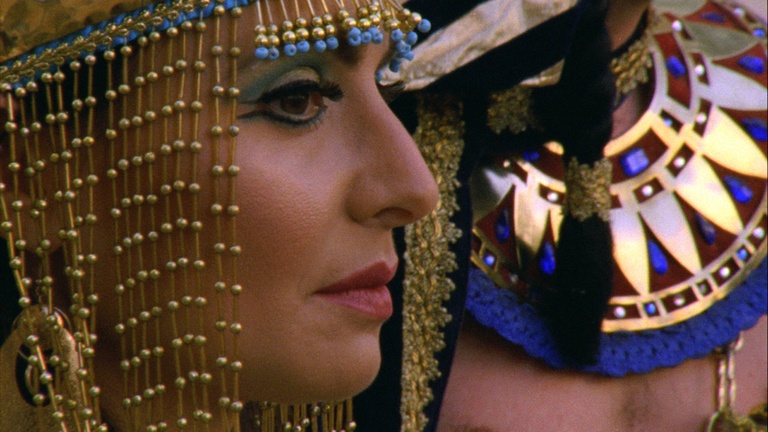
In Focus#5 Ben Russell
18:OCT 21h15–23h38 143'
Batalha Centro de Cinema
Batalha Centro de Cinema
In Focus#6 Ben Russell
19:OCT 14h30–15h30 60'
Batalha Centro de Cinema
Batalha Centro de Cinema
In Focus#7 Ben Russell
19:OCT 16h00–19h33 213'
Batalha Centro de Cinema
Batalha Centro de Cinema
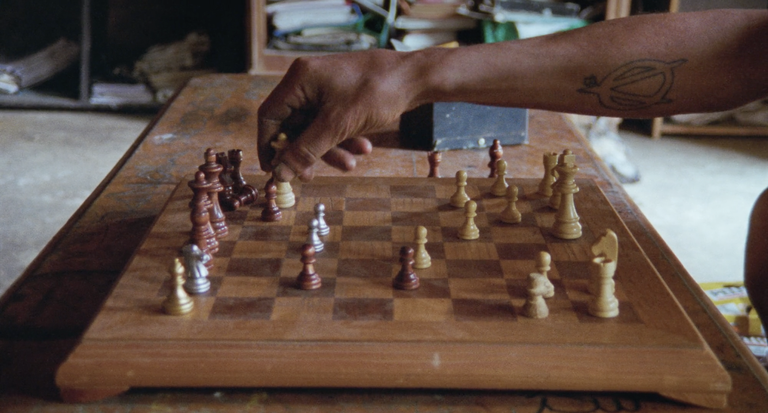
In Focus#8 Ben Russell
19:OCT 21h15–22h53 98'
Batalha Centro de Cinema
Batalha Centro de Cinema