This masterclass analyzes the phenomenon of home moviemaking, delving into its definition and exploring its contemporary practice and its appropriation in documentary films.
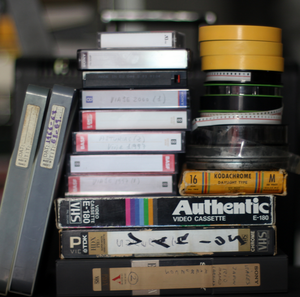
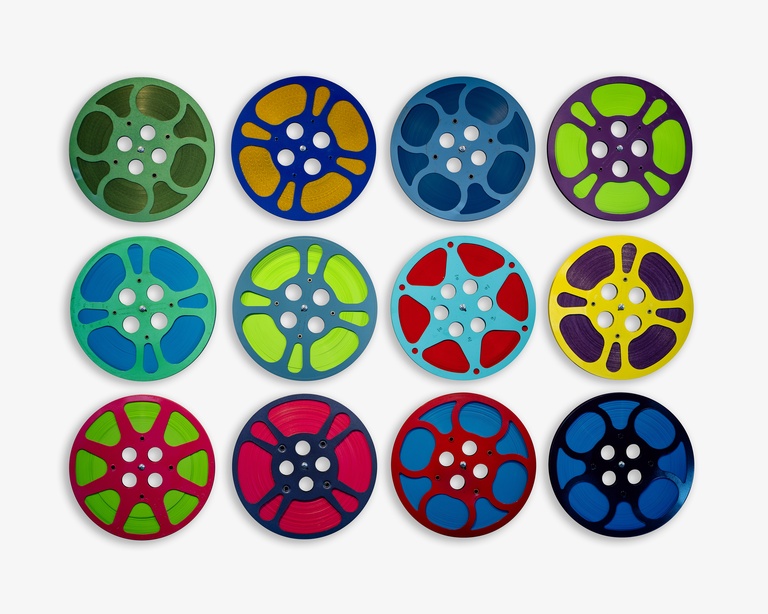
Home moviemaking established itself as a practice in the 1920s, but it wasn’t until the 1980s that archives, academia, and filmmakers alike began recognizing the value of home movies as audiovisual heritage, since they reflected eras, customs, places, and ways of life that had often only been recorded by home moviemakers. Home moviemaking will be defined using three criteria: a medial perspective, which focuses on the materiality of this cinema—its non-professional formats and its style; a communicational perspective, referring to its use and circulation, to its distinctive autobiographical character, which leads to the convergence of creators, protagonists, and audience—the family itself; and a mnemonic perspective, which underscores its role as operator of personal and public memory.
Today, the integration of cameras into smartphones has transformed the ways in which home movies are circulated and received. We now share home videos online, typically through family WhatsApp groups. Furthermore, the mnemonic nature of home movies has given way to a more experiential dimension—as a way of mediating the experience. At the same time, the influence of social media is blurring boundaries, with home videos spilling into the public sphere, altering a key characteristic of the “home mode.”
Alongside this evolution, there has been a growing reuse of home movies in documentaries and experimental films—a trend that began in the 1980s and is now evident in numerous films. Following Esqueda’s proposal, I will briefly outline an analysis of this appropriation, structured around three categories: denotation, de-semantization, and re-signification. These reveal a wide range of approaches, from identitarian stories to microhistorical chronicles and more experimental works.